I receive a lot of calls regarding dogs who are uncontrollable (their human’s words) on a leash when out in public. If the dog sees a bicycle or another dog, they pull and “go crazy!” One of my first questions is have they done basic obedience with their dog?
They sound a little skeptical, as they respond hesitantly, “We took him through the puppy class at PetSmart and he knows how to sit and lie down and that stuff.” I say, “Good, we can work with that.” Puppy classes are a great foundation for teaching your dog to listen and respond to you. It doesn’t matter if your dog was trained in the basics years ago, they will never forget it. It’s the human that forgets how to use these tools in every day life with their dog.
For starters, remind yourself and your dog of what you both know. And, that is they know how to respond to you when asked. You may need to work a little harder on the leash training and teaching your dog to walk in a relaxed state by your side. Once they do, when faced with a distraction of any kind, they are more likely to respond when asked to “sit and stay” or whatever is expected of them at the moment.
If you are having issues with your dog out in public and you have been through basic obedience, think of how to put that to use when outside on a leash. I’m sure you didn’t initially put the time into the training only to have a dog who doesn’t listen when it was really necessary.
If I can provide additional tips or you are need of specific guidance, please send a note in the box to the right.
Very few dogs won’t find enjoyment in a belly rub or any rub for that matter. They are also very smart. They learn quickly that if you ask them to do something – sit, stay, down, etc., and they choose to roll over for a belly rub, we fall for it. “Ah, they’re being submissive.” Maybe not. Why wouldn’t they drop and roll over for a belly rub if it means they don’t have to do as asked?
I do laugh when my dogs are resting and they will start to show me their belly when I’m only walking by to close the blinds or do something else. They don’t want to miss the chance that I will give them a pet so if I’m anywhere within sight, there’s a good chance I’ll see their movement and stop by for a rub.
I have met some dogs who will not show you their belly because they can’t risk making themselves too vulnerable. Is this action something they need to do or have to do for you to feel they are submissive? Absolutely not! Their touch of choice may be a scratch on the neck.
Just as a pat on the head or a rub of the ears is affection, remember that a belly rub is too. You decide when it is appropriate to respond. If not, your day will be filled with a dog’s nose lifting up your hand or arm for your affection. Begging for affection may be cute, but that’s about all. It is still begging.
Our dogs deserve our affection, it’s up to us to decide when!
I’ve mentioned previously that the best trainer for a dog is another dog. I have been working to socialize Suki, a 9-month-old Pekingese, to be comfortable in new surroundings. She is horribly afraid of new sounds and hyper-sensitive to unfamiliar movement and objects.
I called in Mac-Nanny, my Labradoodle, to help Suki be a dog. The video shows how playing with Mac let Suki relax and have a little fun!
In the 80’s there were some major changes in the thought on how to best raise children. In order to not hurt their spirit and to give them a little personal power, kids were given choices. A lot of choices. Oatmeal or dry cereal or maybe just some fruit? Tennis shoes, sandals, and which color would you like?
Giving kids choices is a good idea when they are of age to comprehend choice and consequence. Until then, the parent may do well to provide guidance and keep the peace by not giving a child so many choices they never get out the door on time.
I am mentioning this because I am finding a lot of this type of four-legged parenting. I hear things like, “my dog doesn’t like being on a leash.” “They are depressed when in their crate.” My dog doesn’t want to poop outside.” As a trainer who wants the best for you and your canine relationship, I have to say something. . . they don’t get a choice!
You are their provider and you are showing them moment by moment what life is like when they live with you. Not the other way around. When someone tells me they haven’t trained their dog, I remind them they have. The question is what have they trained them? Puppy training begins the second they come through your door. A dog can quickly adopt the idea that you have joined their family and they set the rules.
You can do more damage to their psyche by not being a consistent leader (or parent if that fits you better.) They don’t need a lot of choices in order to love and respect us.
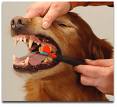
Do all dogs need to have their teeth cleaned? Tooth decay is very common in dogs. Some breeds, much like some humans, are prone to plaque and issues with their teeth. Genetics and nutrition play a huge part in it. There aren’t any bones in the soft toys our dogs love to disembowel. Perhaps if there were, the dog would also get a teeth cleaning while they chewed.
Clients often look to me for advice and ask if I clean my dogs’ teeth. I have to say I don’t. Not that I wouldn’t if it were needed, but thus far, it hasn’t been an issue. I’ve been known to be the common sense trainer. So, here’s my advice, if you have a dog that needs preventative care or will face infection, clean their teeth. However, if your dog’s teeth look good and there’s no concern, don’t!
I was in the pet store and a woman was asking if she should buy the peppermint or chicken flavored toothpaste for her pup. I suggested she get the kitty litter flavor and her dog would welcome teeth cleaning.
In a previous post, I wrote about dogs needing other dogs. In the following video, you will watch my two labradoodles play fight. A human can never play with a dog like another dog. Not only are they having fun, they are also communicating with one another (in more ways than depicted by the comic bubbles).
If you have puppies and can’t keep your eye on them constantly, hire a dog nanny. This video is of Mac-Nanny. Mac is a labradoodle that does a great job at keeping two Maltese puppies corralled and in their crate.
Thanks to the Humane Society and other officials in WA State, another puppy mill is closed. Anyone need 397 dogs? That’s how many were rescued. I propose a moratorium on breeding for one year. I know it’s not fair or reasonable for the reputable breeders who not only find good homes for their puppies and make a living from their dogs. It would be punishing the responsible, while the irresponsible continue using and discarding dogs. What can we do?
Don’t act like it’s not happening. Support rescue organizations, and if you are looking to purchase a specific breed, please research (travel to) the breeder to verify they are who they say they are. Don’t buy a puppy from a pet store! I know it’s a well-worn subject for me. . .watch this video and maybe it will be for you.
I can’t answer this question. I know from personal experience that having one dog for many years was wonderful. I only had to focus on our relationship, and I was working non-stop at the time, so she received a lot of guilt-time! The thought of another dog, just didn’t seem fair to either of them.
Dealing with dog obedience and behavior modification on a daily basis has taught me a lot. A lot of the behavior modification training I benefit from is by observing the dogs – my dogs. I have a pack. There’s no way around that. They aren’t wild. They listen and respond to me; however, they are given a lot of opportunity to show me who they are while living together day to day.
We can take our dogs for long walks. They love it. We can take them on car rides and almost everywhere we go. They love it. We put their natural abilities to the test with agility training. They love it. We, however, can’t play like another dog. Ever see a child when they see another child and they light up with a recognition that says – “hey, your a kid too!” Dogs do that. Try though we might (in the privacy of our home) to romp and tease like another dog. We don’t come close. Nor is this a goal I need to fulfill in my lifetime.
I say all of this because for all that we do, dogs love dogs. I know that some are saying emphatically, “my dog doesn’t like other dogs!” That may be the case now, but in the real land of dogs before they were our pets, they liked other dogs or at least worked things out with a nice compromise on who was who in the pack.
Should this be of concern to the one-dog families? Probably not. I just wanted to share this because it’s pure entertainment to watch dogs play. Showing and gnashing of teeth, growling and the puppy bow. . .it’s all a part of who they are and we’ll never train it out of them. Nor, do I want to.